



Create Calm: Low-Maintenance Landscaping for Tight Spaces

Today’s chosen theme: Low-Maintenance Landscaping for Tight Spaces. Discover practical, beautiful ideas that fit tiny balconies, slim side yards, pocket patios, and petite courtyards—so you can enjoy greenery without a big time commitment. Subscribe for fresh small-space strategies and share your constraints; we’ll tailor future tips.

Small-Space Design Principles That Do the Work for You

Trellises, modular pocket planters, and cable systems lift plants off the floor, increasing greenery without increasing maintenance. Choose slow growers like star jasmine or dwarf clematis. A reader named Maya transformed a 36-inch-wide balcony this way, gaining privacy and shade with one annual trim.

Small-Space Design Principles That Do the Work for You

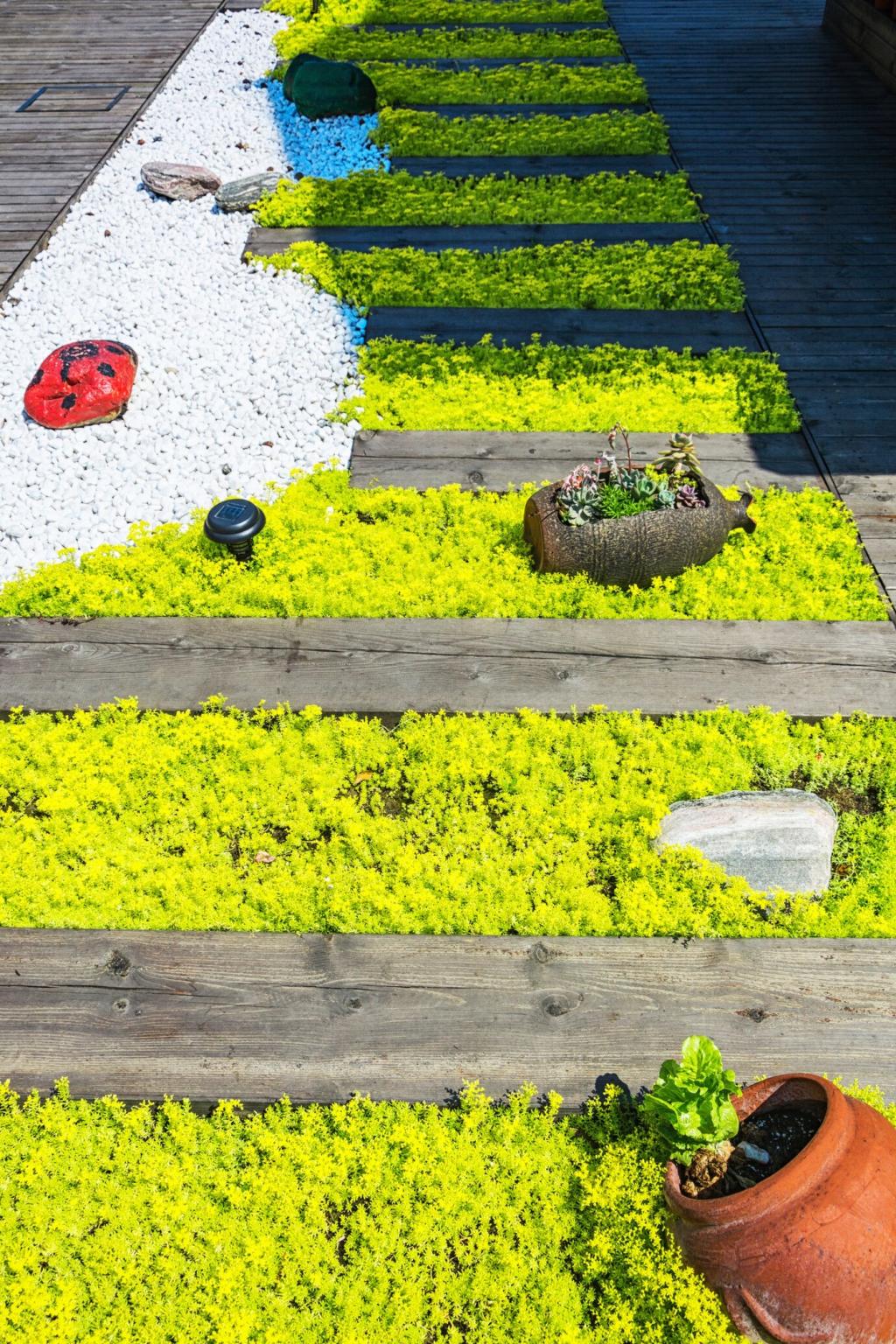
Pavers, gravel, and composite decking define shape and reduce weeding. In tight spaces, a 60–70% hardscape ratio is often the sweet spot for easy care. Add container clusters on corners to soften edges without creating high-maintenance planting beds.

Plants That Thrive With Minimal Attention

Native and Climate-Wise Winners

Natives adapted to your region demand less water and fewer interventions. Think dwarf muhly grass, compact salvias, or creeping thyme for sunny sites. In shade, try heuchera and carex. Readers report fewer replacements and livelier pollinators within one season.

Succulents and Tough Perennials

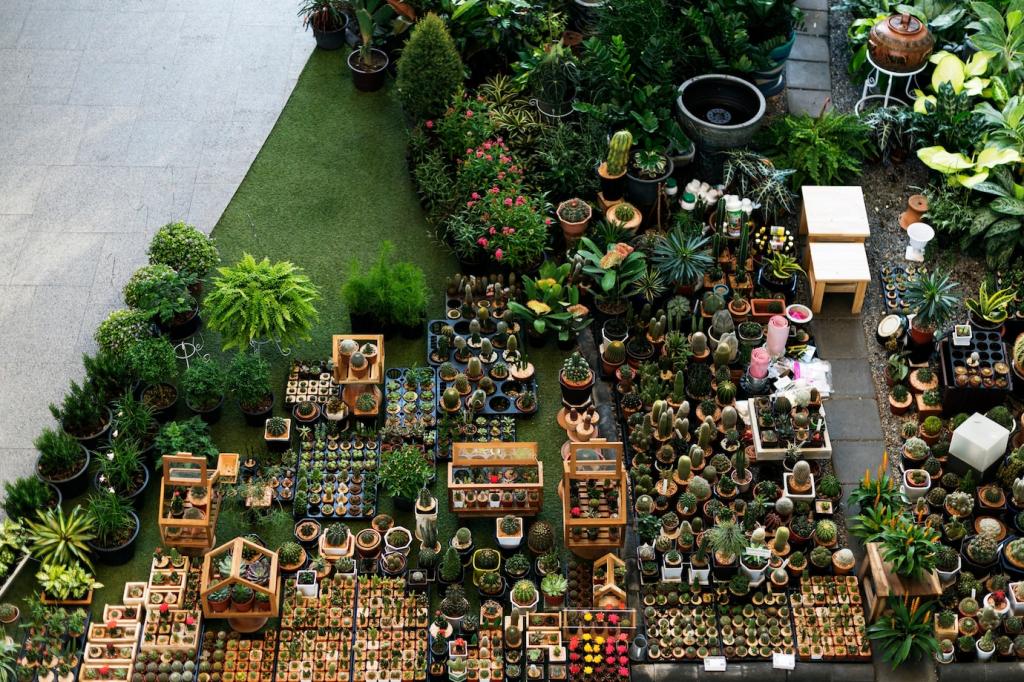
Sedum, echeveria, and aloe tolerate skipped waterings and love heat-reflective balconies. Pair them with lavender, rosemary, and yarrow for fragrance and longevity. One subscriber’s window box survived a two-week vacation with a single pre-trip soak and a layer of gravel mulch.

Dwarf and Slow-Growing Shrubs

Compact varieties like dwarf boxwood, little-leaf pittosporum, and patio blueberries keep their shape with minimal pruning. Seek cultivars marked “dwarf,” “compact,” or “slow growth.” Fewer clip sessions mean more coffee time in your tiny oasis—exactly the point.

Self-Watering Containers and Wicking Beds

Reservoir planters deliver steady moisture from below, cutting watering frequency dramatically. DIY wicking setups use a fabric strip or rope to pull water upward. A city renter reported switching from daily watering to every eight days—plants looked perkier, too.

Drip Lines and Micro-Sprayers for Tight Spots

Micro-tubing snakes through railing planters and narrow beds without clutter. A battery timer runs brief cycles in the cool morning. Drip puts water exactly where roots need it, reducing waste, mildew, and mess on neighbors’ balconies below.

Soil That Stays Moist, Not Soggy

Mix quality potting soil with compost and a pinch of water-retentive amendments like coco coir. Top with two inches of mulch—shredded bark or gravel—to reduce evaporation. Fewer swings between drenched and bone-dry means calmer plants and calmer you.

Containers, Raised Beds, and Clever Layouts

Use matching pots in two or three sizes for a cohesive look that’s easy to shuffle seasonally. Lightweight fiberstone or resin keeps moves painless. A triangular cluster in one corner can visually enlarge a tiny patio while keeping sweeping simple.

Containers, Raised Beds, and Clever Layouts

A twelve- to sixteen-inch-wide raised strip along a fence creates structure without stealing floor space. Cap boards double as mini perches. The clean lines discourage creeping weeds and make it obvious where to focus the little maintenance needed.

Care Calendar: Minutes per Month, Not Hours

Sweep, top up mulch, and refresh potting mix in tired containers. Prune only what crosses paths or blocks light. Start drip timers and check emitters. This ninety-minute reset can carry a small space smoothly through the entire growing season.

Care Calendar: Minutes per Month, Not Hours

Deadhead in quick bursts while sipping iced tea, check reservoirs weekly, and trim runaway vines once a month. Group tasks by zone to avoid extra steps. Share your fastest hack; we’ll compile a subscriber list of ten-minute wins.

Pollinator Pockets in Planter Trios

Combine lavender, compact coneflower, and creeping thyme for nectar across seasons. Choose cultivars with single blooms to make pollen accessible. Readers note calmer spaces and fewer aphids when pollinators visit regularly—nature doing maintenance for you.

Bird Sips and Safe Perches

A shallow saucer refreshed every few days invites finches without inviting mess. Add a small branch or trellis for perching, and place near shrubs for quick cover. Watching them turns two minutes of care into a daily pause of joy.

Pest Control the Gentle Way

Skip broad-spectrum sprays. Encourage lady beetles and lacewings with diverse planting and avoid night watering. Spot-treat with insecticidal soap only when necessary. Readers report that balanced micro-ecosystems stabilize after a season, slicing intervention down to nearly nothing.
Oniroeditorial
Privacy Overview

This website uses cookies so that we can provide you with the best user experience possible. Cookie information is stored in your browser and performs functions such as recognising you when you return to our website and helping our team to understand which sections of the website you find most interesting and useful.